



How Saved Payments Change Buying Behavior at Checkout
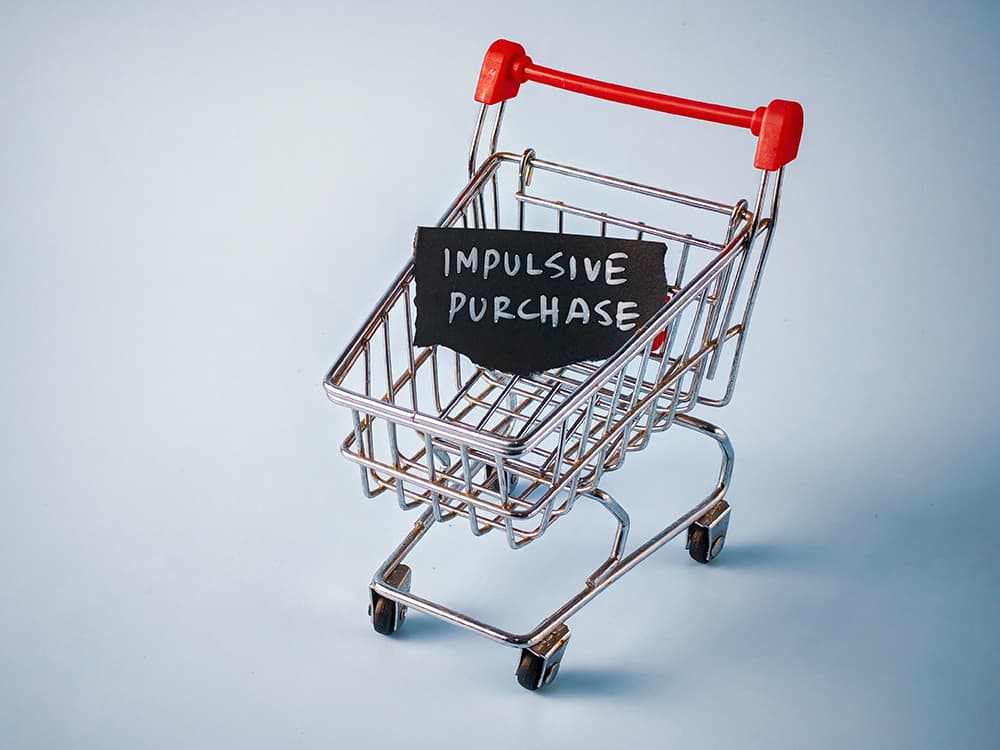
Saved payment methods have shifted checkout from a form-heavy task into a fast decision.
When customers can pay with a tap or one click, the path from interest to purchase becomes shorter, smoother, and more consistent across devices.
The shopping behavior of mobile users rewards speed
Mobile shoppers tend to browse in short bursts and buy when the process stays quick. Small screens, slower connections, and constant distractions make long checkout flows feel heavier on phones than on desktops.
Saved payment methods align with the shopping behavior of mobile users because the final step can happen without switching apps, hunting for a wallet, or typing long strings of numbers.
When paying becomes as easy as scrolling, more sessions end with a completed order.
Saved payments shrink the decision window
A long checkout invites second thoughts because it gives shoppers time to reconsider. As they type addresses and payment details, they are also thinking about budgets, alternatives, and whether the purchase can wait.
Saved payments shorten that deliberation window. A faster flow makes it easier to act on intent while it is still high, which can lift conversion rates in a way that feels natural to customers instead of forced.
How saved methods influence order frequency and basket size
When paying is easier, customers can buy sooner, buy more often, and add items without worrying about repeating the payment process. The convenience reduces the mental cost of another purchase, especially for replenishment items, add-ons, and last-minute upgrades.
For merchants, this is one of the clearest paths to increase revenue without relying on deeper discounts. A smoother checkout improves completion and can also support higher average order values because customers are less likely to drop optional items to “make checkout easier.”
Why trust determines whether customers save a card
Customers save payment details when they feel confident in the brand and the checkout experience. Clear branding, familiar payment options, and visible security signals help shoppers believe they are in the right place.
Trust also improves repeat purchases because saved details create a convenience loop. Once a customer has a reliable way to pay, returning to the same store becomes the fastest option, which supports retention and reduces comparison shopping.
What merchants should do to make saved payments work
Keep the flow consistent across desktop and mobile, minimize unnecessary fields, and present the option to save a payment method at the right time.
This should be done after trust has been established and before the customer feels rushed.
If you want to accept online payments with less friction, make saved payment methods part of your strategy. When checkout matches how people actually shop on phones, you reduce cart abandonment, improve loyalty, and build a more reliable engine to increase revenue.